Takht-e-Zainab (رضي الله عنها) – History, Miracles, Duas & Complete Guide
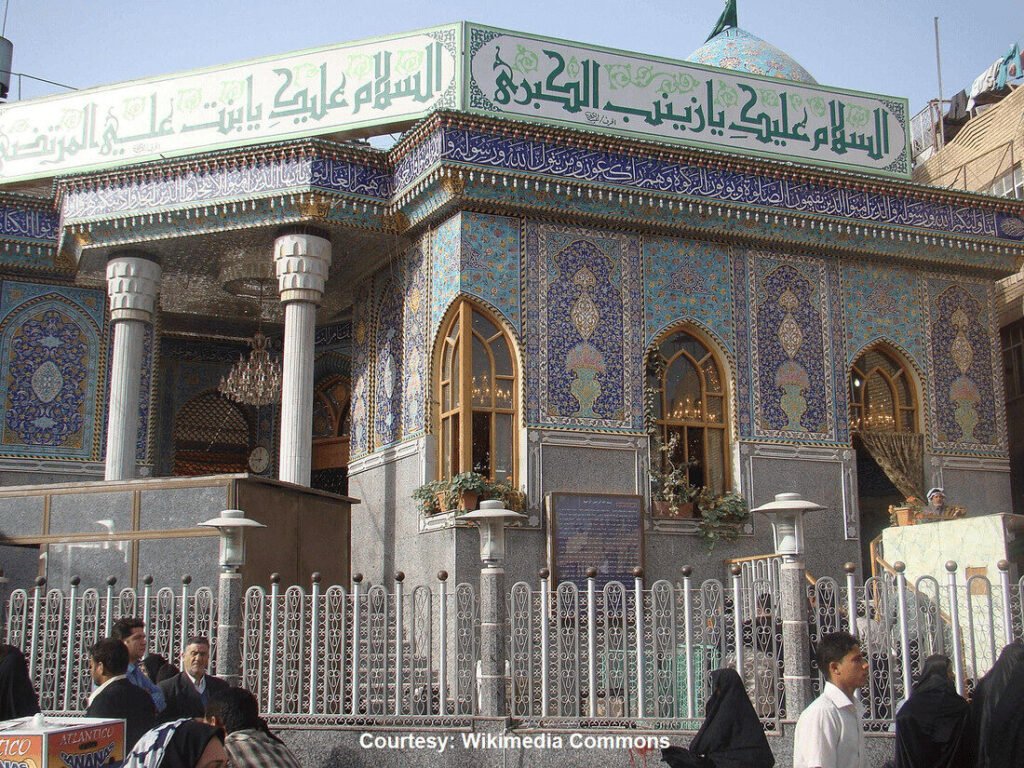
Takht-e-Zainab (رضي الله عنها) is one of the most emotionally powerful and spiritually significant places in Karbala, Iraq. This sacred spot is associated with Sayyida Zainab bint Ali (رضي الله عنها), the granddaughter of Prophet Muhammad ﷺ and sister of Imam Hussain (رضي الله عنه).
From this very place, Sayyida Zainab (رضي الله عنها) witnessed the tragic events of Ashura (10th Muharram, 61 AH / 680 AD) and later became the voice of Karbala, delivering sermons that shook the foundations of tyranny.
Name & Meaning
Takht-e-Zainab
Takht = elevated place / platform
Zainab = daughter of Ali (رضي الله عنه)
Also Known As:
Maqam-e-Zainab (Karbala)
Zainab Hill
Observation Point of Ashura
It is believed this was the elevated point from where Sayyida Zainab (رضي الله عنها) saw the battlefield and later safeguarded the message of Karbala.
Historical Background (With Years)
Event of Karbala
Year: 61 AH / 680 AD
Date: 10th Muharram (Ashura)
On the day of Ashura:
Imam Hussain (رضي الله عنه) and his companions were martyred
Women and children were left alone
Sayyida Zainab (رضي الله عنها) took leadership of the survivors
From Takht-e-Zainab, she observed the battlefield and later ensured that the truth of Karbala reached the world.
Post-Karbala Period
680 AD onwards
After Ashura:
She protected Imam Zain-ul-Abidin (رضي الله عنه)
She delivered historic sermons in Kufa and Damascus
She transformed tragedy into eternal resistance against oppression
Takht-e-Zainab thus symbolizes strength, patience, and leadership of a Muslim woman.
History of Takht-e-Zainab as a Site
7th Century: Place remembered orally by pilgrims
Medieval Period: Marked as a ziyarat point
Safavid Era (16th century): Structural identification
Modern Era: Renovated and preserved as part of Karbala’s sacred sites
Today, it is visited by millions during Ashura and Arbaeen.
Miracles of Takht-e-Zainab (رضي الله عنها)
Believers narrate many spiritual experiences at this site, always believing that miracles happen only by Allah’s will.
Reported Spiritual Miracles
Acceptance of heartfelt duas
Strength during grief and hardship
Inner peace and courage
Relief from fear, sadness, and depression
Renewed faith, especially for women facing trials
Takht-e-Zainab is often associated with sabr (patience) and himmah (strength).
Duas Recited at Takht-e-Zainab
1. Dua for Patience (Sabr)
Inspired by the unmatched patience of Sayyida Zainab (رضي الله عنها).
2. Dua for Protection of Family
Especially recited by mothers and sisters.
3. Zikr & Salawat
Sending peace upon the Prophet ﷺ and his family.
4. Dua for Courage & Truth
To speak truth even in the face of oppression, as Zainab (رضي الله عنها) did.
Spiritual Lessons from Takht-e-Zainab
Women are pillars of Islamic strength
Silence in injustice is not an option
Faith gives courage even in tragedy
Truth survives through righteous voices
Patience is power, not weakness
Takht-e-Zainab Today
Location: Karbala, Iraq
Nearby Sites:
Shrine of Imam Hussain (رضي الله عنه)
Shrine of Hazrat Abbas (رضي الله عنه)
Major Ziyarat Days
Ashura (10 Muharram)
Arbaeen (20 Safar)
More Information for Website Readers
Symbol of female leadership in Islam
One of the most emotional ziyarat points
Strong connection to Ahl-e-Bait
Source of inspiration for Islamic activism
Conclusion
Takht-e-Zainab (رضي الله عنها) is not merely a physical place—it is a message. A message that Islam is protected not only by swords, but by truthful words, courage, and patience. Sayyida Zainab (رضي الله عنها) proved that standing firm after loss is the greatest victory.
Visiting or remembering Takht-e-Zainab renews faith and reminds us that truth always finds a voice.
Please note that this entry is provided for informational purposes only. It is imperative not to engage in praying to graves or seeking supplication through them, as this constitutes associating partners with Allah (ﷻ), which is strictly prohibited.