The Battle of Karbala – History, Miracles, Duas, Names, Timeline & More
The Battle of Karbala is one of the most influential and emotional events in Islamic history. Fought on 10th Muharram, 61 AH (680 AD), it marks the martyrdom of Imam Hussain ibn Ali (رضي الله عنه), the beloved grandson of Prophet Muhammad (ﷺ). His courageous stand against injustice, oppression, and tyranny created a legacy that inspires millions of Muslims around the world.
The tragedy of Karbala is not only a historical story—it is a lesson in sacrifice, truth, justice, patience, and unwavering faith.
Name & Significance of Karbala
Meaning of “Karbala”
Many scholars explain “Karbala” from two words:
“Karb” – sorrow, grief
“Bala” – trial, affliction
Thus, Karbala is remembered as a place of great sacrifice and divine testimony.
Who Was Hussain (رضي الله عنه)?
The grandson of Prophet Muhammad (ﷺ)
Son of Ali ibn Abi Talib (رضي الله عنه) and Fatimah (رضي الله عنها)
Known for his noble character, justice, and piety
Imam Hussain (رضي الله عنه) refused to give allegiance to the unjust ruler Yazid, leading to the events of Karbala.
Historical Timeline of the Battle of Karbala (Detailed With Years)
680 AD / 61 AH: Events Leading to the Battle
People of Kufa sent thousands of letters inviting Imam Hussain (رضي الله عنه) to lead them against Yazid.
Hussain (رضي الله عنه) left Mecca with his family and loyal companions.
Before reaching Kufa, he was intercepted by Yazid’s army and forced to stop at Karbala on 2nd Muharram.
7th Muharram
Water supply from the Euphrates River was completely blocked from Hussain’s camp.
9th Muharram
Enemy forces prepared for attack.
Imam Hussain (رضي الله عنه) asked for one more night for worship.
10th Muharram (Day of Ashura) – The Battle
One by one, Hussain’s companions and family members were martyred, including:
Ali Akbar
Qasim ibn Hasan
Abbas ibn Ali
The young infant Ali Asghar
Imam Hussain (رضي الله عنه) was the last to enter the battlefield and was martyred bravely.
Aftermath
Women and children were taken captive and marched to Kufa and Damascus.
The tragedy sparked revolutions that later weakened the Umayyad rule.
Hussain (رضي الله عنه) became a universal symbol of resistance against oppression.
Miracles Related to Karbala
1. The Sky Turning Red
Historical accounts mention that after Imam Hussain’s martyrdom, the sky appeared red as a sign of mourning.
2. The Sand of Karbala (Turbah)
Many believers say the soil from Karbala has spiritual blessings and has been reported to have healing qualities.
3. Miracles at the Shrine of Hussain (رضي الله عنه)
Pilgrims have narrated countless spiritual experiences:
Healing from illnesses
Acceptance of duas
Protection during conflicts and wars
4. Divine Signs During the Battle
Historical narrations describe unusual occurrences—winds, storms, and unnatural silence—after the martyrdom.
Duas Related to Karbala
1. Ziyarat Ashura
One of the most famous prayers recited in remembrance of Imam Hussain (رضي الله عنه). It expresses:
Love for Hussain (رضي الله عنه)
Condemnation of oppression
Commitment to truth and justice
2. Dua Al-Qamah
Usually recited after Ziyarat Ashura, seeking blessings, forgiveness, and protection.
3. Dua for Patience
Muslims recite special duas inspired by the patience shown by the family of the Prophet during Karbala.
4. General Dua
Many believe that prayers made with the remembrance of Hussain (رضي الله عنه) are accepted due to his sacrifice and closeness to Allah.
Lessons From the Battle of Karbala
Stand for truth even if alone
Never compromise with injustice
Patience during hardship is a sign of true faith
Values are more important than life itself
Oppression never lasts forever
More Information About Karbala
Karbala Today
Karbala is located in Iraq.
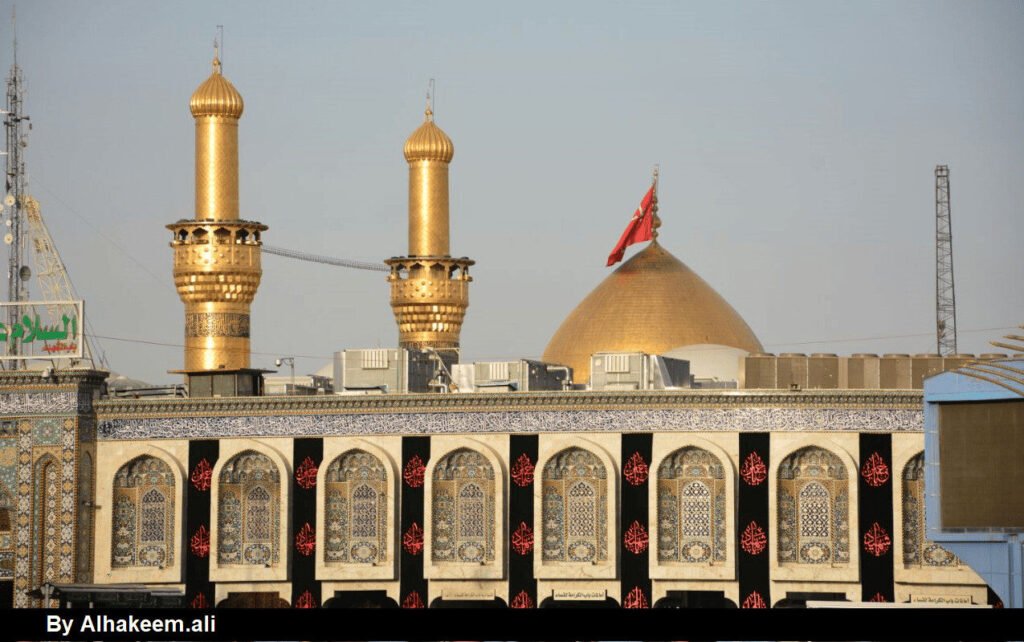
The Shrine of Imam Hussain (رضي الله عنه) stands at the site of his martyrdom.
Millions visit Karbala every year during Ashura and Arbaeen, making it one of the largest peaceful gatherings in the world.
Arbaeen Walk
Millions walk from Najaf to Karbala (80 km) in devotion to Imam Hussain (رضي الله عنه).
Conclusion
The Battle of Karbala remains a timeless symbol of sacrifice, courage, and the stand for justice. Imam Hussain (رضي الله عنه) taught the world that dying with honor is better than living under tyranny. His legacy continues to inspire people of all nations and religions.
Karbala is not just history—it is a message that truth always prevails, even if the price is life itself.
References: Own Research, Wikipedia
Please note that this entry is provided for informational purposes only. It is imperative not to engage in praying to graves or seeking supplication through them, as this constitutes associating partners with Allah (ﷻ), which is strictly prohibited.
Related Post: Jordan’s Gems:Historical Mosques and Places
Also Read: The Minaret of Isa (عليه السلام)
May You Like: Makkah : Holy Sites and History